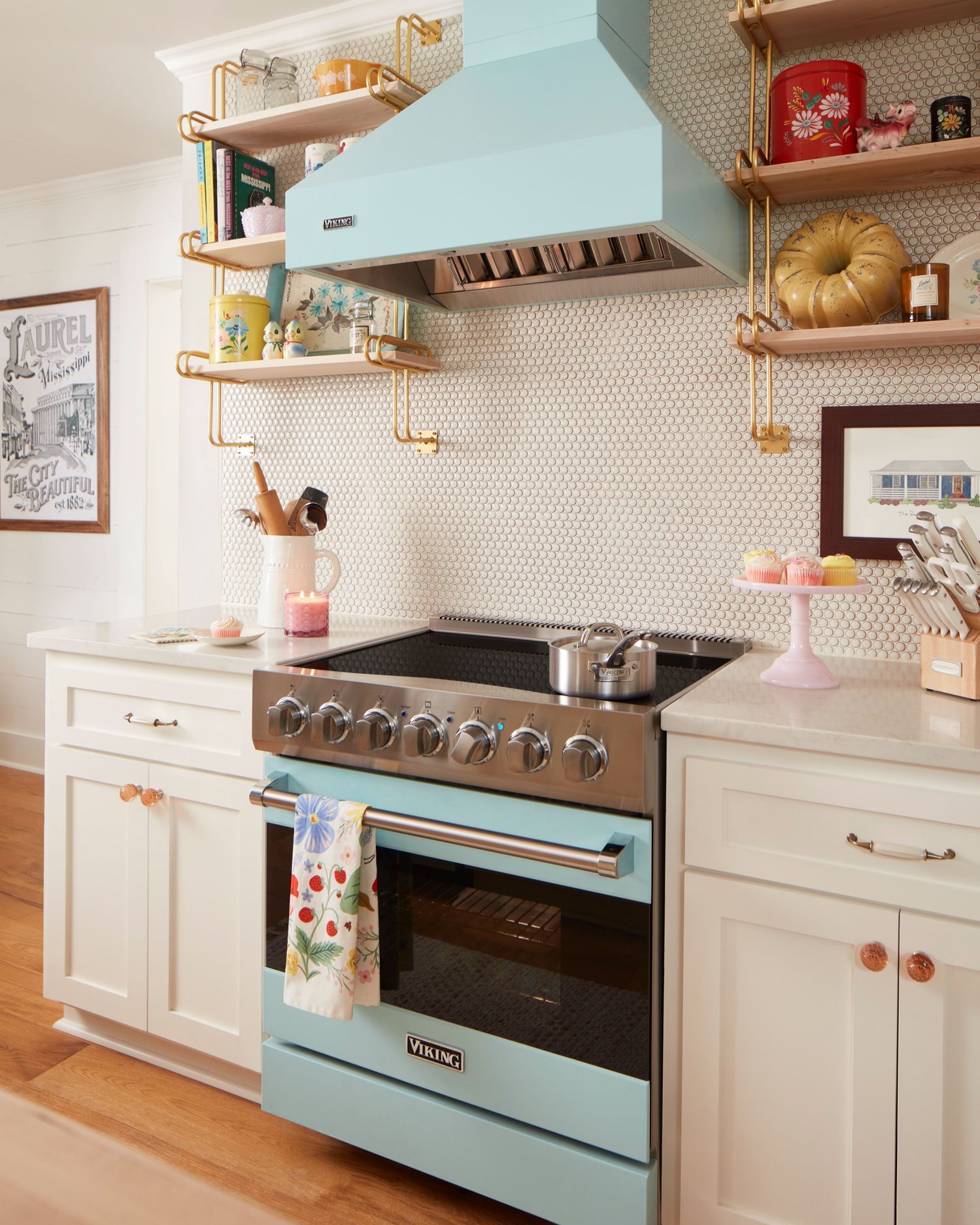
Viking Range Not Heating — F-Code Diagnosis & Repair Guide
A Viking range or wall oven that will not heat the oven cavity is one of the most common service calls for Viking appliances. Specifically, the oven compartment in Viking gas and dual-fuel ranges is controlled by a combination of the electronic oven control, a temperature sensor, a gas igniter (on gas models). Additionally, a heating element (on electric/dual-fuel models). Furthermore, when any of these components fails, the oven stops heating.
Additionally, the good news: Viking ranges use a documented F-code fault system that pinpoints the problem. As a result, this guide walks through every cause of a Viking oven not heating — from fault code interpretation to component-level diagnosis.
In addition, if any step seems unsafe or unclear, stop and call a certified technician. As a result, you protect both yourself and your appliance from further damage.
Step-by-Step Instructions
First, read all the steps before you begin. After that, gather the tools you need and follow the process in order:
- Step 1: Check for an F-code fault display — Before anything else, check whether the control panel is displaying an F-code. Specifically, viking ranges and ovens document the following codes: • F2 — Temperature sensor shorted. The oven shuts down. Furthermore, • F3 — Temperature sensor open circuit. Additionally, the oven shuts down. As a result, • F4 — Temperature runaway. The oven exceeded the set temperature. Therefore, • F1 — Control board fault. Moreover, • F9 — Self-clean door lock failure. However, if your Viking oven shows one of these codes, the diagnostic work is largely complete — the code identifies the specific failed component. Schedule a professional repair.
- Step 2: Test for gas oven igniter failure (gas and dual-fuel models) — On Viking gas ranges, the oven does not use a standing pilot — it uses a hot surface igniter. Specifically, when you set the oven to bake, you should see the igniter begin to glow orange within 30–45 seconds. If the igniter glows but the oven does not light within 90 seconds, or if it glows dimly and briefly extinguishes: the igniter has weakened. Furthermore, a functioning igniter draws 3–3.5 amps to open the gas safety valve. Additionally, a worn igniter draws less than this threshold and cannot open the valve, even though it still glows. As a result, if the igniter does not glow at all: the igniter has failed completely or the circuit to it has broken. Igniter replacement is one of the most common Viking oven repairs and our team completes in a single visit.
- Step 3: Check the bake element (dual-fuel / electric models) — In Viking dual-fuel ranges (gas cooktop, electric oven), the bake element at the bottom of the oven cavity provides the primary heat for baking. Specifically, inspect the element visually: • Look for visible breaks, blistering, or holes in the coil surface. • A burned or broken spot on the element indicates failure. Furthermore, a multimeter test (continuity test across the element terminals) confirms failure — a failed element reads open circuit. Additionally, bake element replacement is a direct repair completed in a single visit.
- Step 4: Reset and monitor — If no fault code appears on the display and no obvious component failure is visible, reset the oven by switching off the circuit breaker for 60 seconds, then restoring power. Specifically, attempt a bake cycle and monitor for: • A fault code appearing within the first few minutes. • The oven beginning to heat but then shutting off prematurely. Furthermore, • The oven showing a set temperature but never climbing. Additionally, any of these patterns during a test cycle indicates a specific component fault. As a result, document the behavior for your technician to accelerate the diagnosis.
However, if the fault persists after you complete these steps, contact our team. In that case, the appliance likely needs professional repair with replacement parts.
Need Professional Help?
If you prefer a professional to handle the repair, we make booking easy. Moreover, our technicians bring all necessary parts on the first visit, so you get a fast, reliable fix.
Additionally, the U.S. Department of Energy offers useful appliance efficiency and maintenance tips. You can also browse our appliance error code database if your appliance shows a fault code.
Frequently Asked Questions
What is the most common reason a Viking oven stops heating?
For gas Viking ranges, a weakened or failed hot surface igniter is the most common cause of oven no-heat. Specifically, the igniter wears gradually and eventually cannot draw sufficient current to open the gas safety valve. For dual-fuel Viking ranges, a failed bake element is most common. Furthermore, both are identified with F-codes or simple visual inspection and are repaired in a single visit.
Can I use my Viking cooktop burners if the oven won't heat?
Yes — on most Viking ranges the cooktop burners and the oven operate on independent circuits. Specifically, a failed oven igniter, bake element, or temperature sensor does not typically affect the gas cooktop burners. However, if the oven displays an F1 control board fault, the control panel may be completely unresponsive. Furthermore, this can affect burner ignition controls.
How long does a Viking oven repair typically take?
Most Viking oven no-heat repairs — including igniter replacement, bake element replacement. Additionally, temperature sensor replacement — our team completes in 60–90 minutes in a single visit. Our technicians carry Viking OEM parts for the most common failure components.