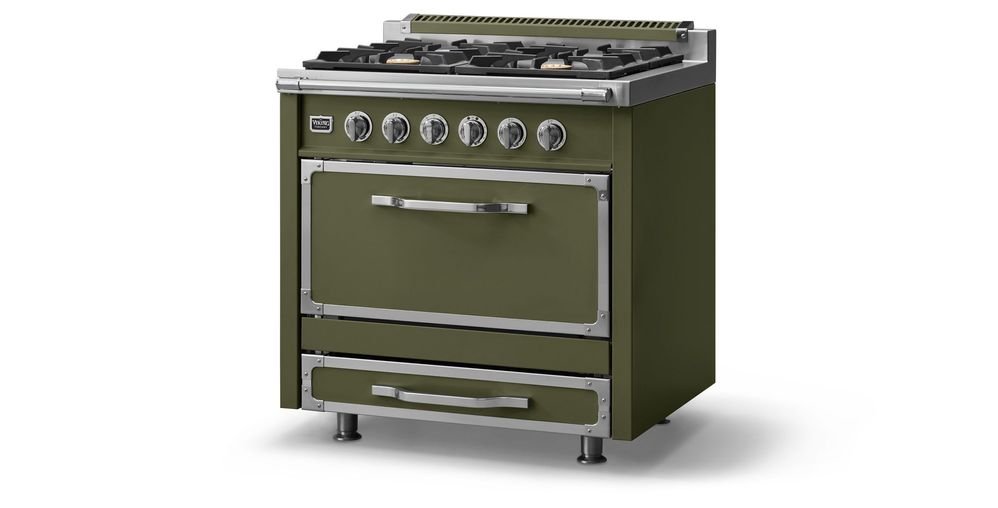
Viking Range Annual Maintenance Guide
Viking ranges are designed for a service life of 20+ years with proper care. Specifically, the maintenance routines below target the specific failure modes most commonly seen in Viking gas and dual-fuel ranges in the United States — burner ignition problems, oven temperature drift. Additionally, self-clean door lock issues.
In addition, if any step seems unsafe or unclear, stop and call a certified technician. As a result, you protect both yourself and your appliance from further damage.
Step-by-Step Instructions
First, read all the steps before you begin. After that, gather the tools you need and follow the process in order:
- Monthly: Clean burner caps and flame ports — Remove each burner cap and clean the flame ports with a small brush or straightened paper clip. Specifically, food residue and grease accumulation in the ports is the leading cause of Viking cooktop ignition problems and weak or uneven flame output. Do not use water inside the burner base — dry cleaning only for the ports. Furthermore, the caps themselves can be soaked in soapy water and rinsed, but must be fully dry before reinstalling.
- Every 3 months: Verify oven temperature accuracy — Use a standalone oven thermometer to verify that your Viking oven is heating to within 25°F of the set temperature at 350°F. Specifically, allow the oven to fully preheat (10–15 minutes) before reading the thermometer. Viking wall ovens and ranges allow a calibration offset adjustment via the control panel — consult your owner's manual for the specific adjustment procedure. Furthermore, a consistent deviation greater than 50°F that does not resolve with calibration adjustment indicates a temperature sensor fault (F2/F3).
- Every 6 months: Inspect the oven door gasket — The oven door gasket creates the seal that keeps heat inside the oven. Specifically, inspect the full perimeter of the gasket for: • Tears or holes in the rubber • Sections that have hardened or lost flexibility • Areas where the gasket has separated from the door channel A damaged gasket reduces cooking efficiency and increases energy use. Replace if any of the above conditions are present.
- Annually: Run the self-clean cycle — Run the self-clean cycle once a year to reduce heavy grease buildup in the oven cavity. Specifically, before running: • Remove the oven racks (the high self-clean temperatures can discolor rack finishes). • Wipe out any large food deposits to reduce smoke during the cycle. Furthermore, • Ensure good kitchen ventilation. Additionally, do not interrupt the self-clean cycle once started — interrupting can trigger the F9 door lock fault code. As a result, allow the cycle to complete fully and the oven to cool before opening the door.
- Annually: Inspect igniter function — With the oven set to Bake at 350°F, observe the igniter through the oven window. Specifically, a healthy igniter glows bright orange and the oven burner ignites within 60–90 seconds. A dim glow, a glow that persists longer than 90 seconds without ignition, or no glow at all indicates an igniter that is weakening or has failed. Furthermore, weak igniters requires replacement proactively — they commonly fail completely during a critical cooking occasion.
However, if the fault persists after you complete these steps, contact our team. In that case, the appliance likely needs professional repair with replacement parts.
Need Professional Help?
If you prefer a professional to handle the repair, we make booking easy. Moreover, our technicians bring all necessary parts on the first visit, so you get a fast, reliable fix.
Additionally, the U.S. Department of Energy offers useful appliance efficiency and maintenance tips. You can also browse our appliance error code database if your appliance shows a fault code.
Frequently Asked Questions
How do I clean Viking range burner grates?
Viking cast iron grates can be washed in a sink with hot soapy water and a stiff brush. Specifically, for heavy buildup, place grates in a plastic bag with a small amount of ammonia overnight (outdoors or in a well-ventilated area) — the fumes loosen grease without scrubbing. Rinse thoroughly and dry completely before replacing on the range.
How often should I run the Viking oven self-clean cycle?
Viking recommends running the self-clean cycle no more than once per month and only when there is significant grease buildup. Specifically, annual self-cleaning is sufficient for most households. Running self-clean excessively can accelerate oven component wear due to the extremely high temperatures (800–900°F) reached during the cycle.