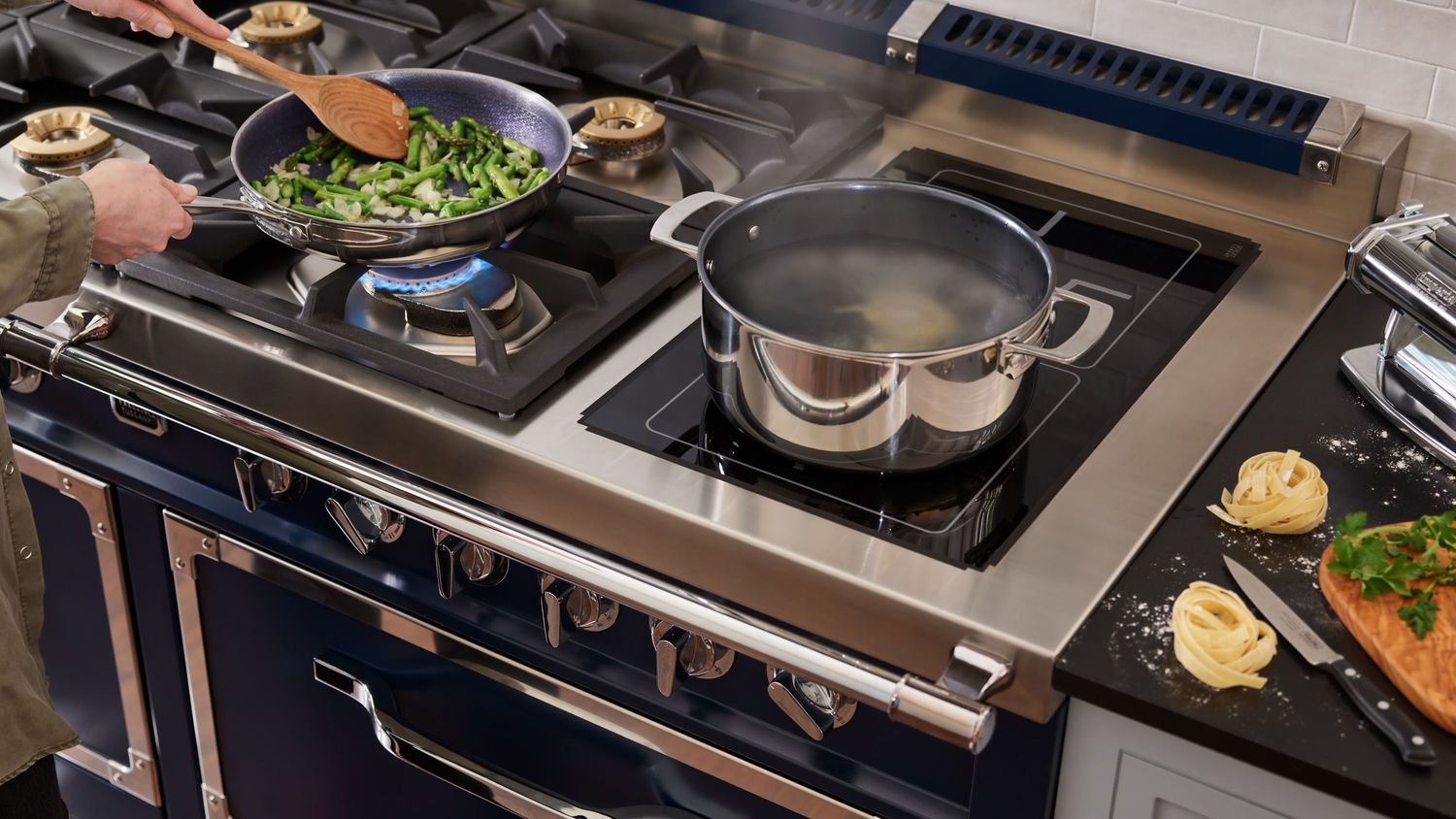
Viking Range Burner Not Igniting — 5 Causes and How to Fix Each
Viking gas range burner ignition problems are among the most frequently reported faults on Viking appliances in the US. Specifically, in the majority of cases, the cause is straightforward — moisture, a clogged burner port, or a misaligned burner cap — and can often be resolved at home before a technician you need. This guide walks through all five causes in order of likelihood.
In addition, if any step seems unsafe or unclear, stop and call a certified technician. As a result, you protect both yourself and your appliance from further damage.
Step-by-Step Instructions
First, read all the steps before you begin. After that, gather the tools you need and follow the process in order:
- Cause 1: Moisture around the burner (most common) — Moisture is the most frequent cause of Viking cooktop ignition failure. Specifically, when liquid boils over or condenses around a burner, it enters the spark electrode area and either causes continuous clicking without ignition or prevents any spark at all. Fix: Turn the burner off. Furthermore, remove the burner cap and dry the area with a cloth. Additionally, allow the area to air dry for at least 30 minutes without the burner cap. As a result, reinstall and test. This resolves moisture-related ignition problems in the majority of cases.
- Cause 2: Clogged burner flame ports — The flame ports around the circumference of the burner can clog with food residue, particularly from starchy or sticky liquids. Specifically, clogged ports produce a weak or uneven flame — or prevent ignition entirely. Fix: Remove the burner cap. Furthermore, use a straightened paper clip or small brush to clear each port opening. Additionally, dry cleaning only — do not soak or wet the burner base. As a result, for stubborn deposits on the cap itself, soak in mild dish soap solution and clean with a brush before rinsing and drying fully.
- Cause 3: Misaligned burner cap — Viking pro sealed burners require the burner cap to sit flat and centered on the burner base. Specifically, a tilted or off-center cap — common after cleaning — causes the spark from the electrode to miss the gas ports. Fix: Remove the cap, check the burner base for debris, and reseat the cap firmly and flush. Furthermore, it should sit completely level with no rocking.
- Cause 4: Failed spark electrode — The ceramic-tipped spark electrode produces the ignition spark. Specifically, a cracked electrode tip, heavy carbon coating, or broken electrode produces no spark regardless of how clean and dry the burner area is. Check: Inspect the electrode tip — it should be off-white, intact, and positioned approximately 1/8" from the burner base. Furthermore, a cracked or heavily discolored tip requires professional electrode replacement.
- Cause 5: Failed ignition module — If a specific burner consistently fails to spark after addressing all of the above and the electrode is visually intact, the ignition module that generates the high-voltage spark pulse has failed. Specifically, a faulty module produces no spark at all or an intermittent spark on one or more burners. Ignition module replacement requires professional service. Furthermore, our technicians carry Viking-compatible modules and complete this repair in a single visit.
However, if the fault persists after you complete these steps, contact our team. In that case, the appliance likely needs professional repair with replacement parts.
Need Professional Help?
If you prefer a professional to handle the repair, we make booking easy. Moreover, our technicians bring all necessary parts on the first visit, so you get a fast, reliable fix.
Additionally, the U.S. Department of Energy offers useful appliance efficiency and maintenance tips. You can also browse our appliance error code database if your appliance shows a fault code.
Frequently Asked Questions
Why does my Viking cooktop click continuously after the burner is lit?
Continuous clicking after lighting is almost always moisture around the burner cap or electrode. Specifically, the moisture causes the igniter to cycle without stopping. Dry the burner area thoroughly, replace the cap, and the clicking will stop. Furthermore, if clicking persists on a completely dry burner, the ignition module requires service.
One Viking burner doesn't ignite but the others do — what does that mean?
A single burner not igniting while others work normally points to a localized issue — a clogged port on that specific burner, a misaligned cap, or a failed electrode for that burner position. Specifically, start with cleaning and reseating the cap. If the burner still won’t light with a clean, dry, properly seated cap, the spark electrode for that position needs replacement.